It is not about winning or losing
The essence of democracy is the ability to persuade rather than coerce. It is about winning support for ideas—not just among people within one’s own country, but also in the wider international community. Democratic leadership requires the willingness to listen, engage with opposing views, sit across the table, negotiate, and find common ground. The objective should be to resolve differences, not simply to defeat those who disagree.
That is why I particularly value the willingness to give a thumbs-down to dictators—whether they carry that official title or simply behave like one. Authoritarianism is defined less by the title someone holds than by how they exercise power. No individual, however powerful or popular, should be above scrutiny or accountability.
Without accountability, there can be no meaningful rule of law. Laws must apply to everyone, including those who make them and those entrusted with enforcing them. Independent institutions, an impartial judiciary, transparency, and the freedom to question authority are not inconveniences to democracy; they are its essential safeguards.
The digital age adds another dimension. Information, ideas, and political decisions now travel at extraordinary speed. This makes it imperative that we learn quickly, think critically, and understand not only what our constitutions say, but also the principles and responsibilities underlying them. Technology can accelerate communication, but it cannot substitute for wisdom, judgment, or thoughtful deliberation.
And perhaps there is an even larger perspective we should bring to this conversation.
The opening words of the American Constitution, “We the People,” refer to the people of a nation. But I would like us to think beyond that necessarily national definition. At a deeper level, we are all members of one species—Homo sapiens—sharing one small planet in an immense universe.
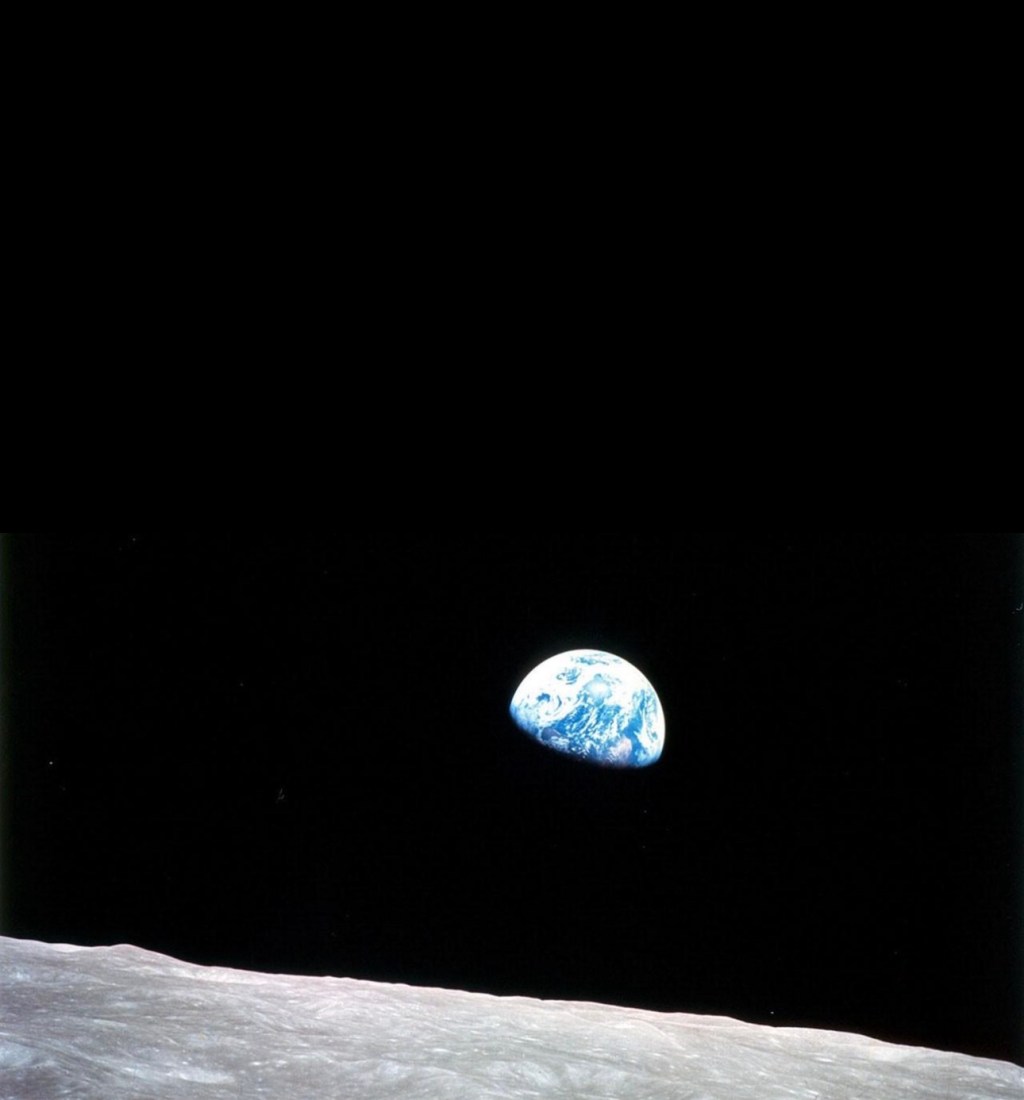
In 1990, NASA’s Voyager 1 captured the now-famous image of Earth as a Pale Blue Dot, from billions of miles away. It offered a perspective that is difficult to absorb when we are preoccupied with national boundaries, political ideologies, religious differences, and struggles for power. Our entire human history, with all its triumphs, conflicts, ambitions, and suffering, has unfolded on this tiny world.
Perhaps that is the perspective we need to carry forward: national identities and constitutions have their place, but our shared humanity is larger than any of them.
Democracy at its best is not simply about who gets to govern. It is about how we exercise power, how we treat those who disagree with us, how we hold authority accountable, and how we coexist. Ultimately, we need to learn to think not only as citizens of individual nations, but also as members of one human family sharing one fragile planetary home.
References (ChatGPT provided the references to a write up pasted as a prompt)
1. John Stuart Mill – freedom of thought and disagreement
Mill’s On Liberty (1859) makes a powerful argument for protecting opposing opinions. Even an incorrect opinion can help expose weaknesses in accepted beliefs.
2. Karl Popper – the problem of unchecked power
In The Open Society and Its Enemies (1945), Popper argues for institutions that allow governments to be removed without violence and prevent rulers from exercising unchecked authority. Dictators, including leaders who acquire power through elections but subsequently undermine democratic safeguards, need to be checked.
3. Carl Sagan – the cosmic perspective
Sagan’s Pale Blue Dot (1994) challenges the conceit that our national, ideological, and personal divisions represent something fundamental in the larger scheme of existence.
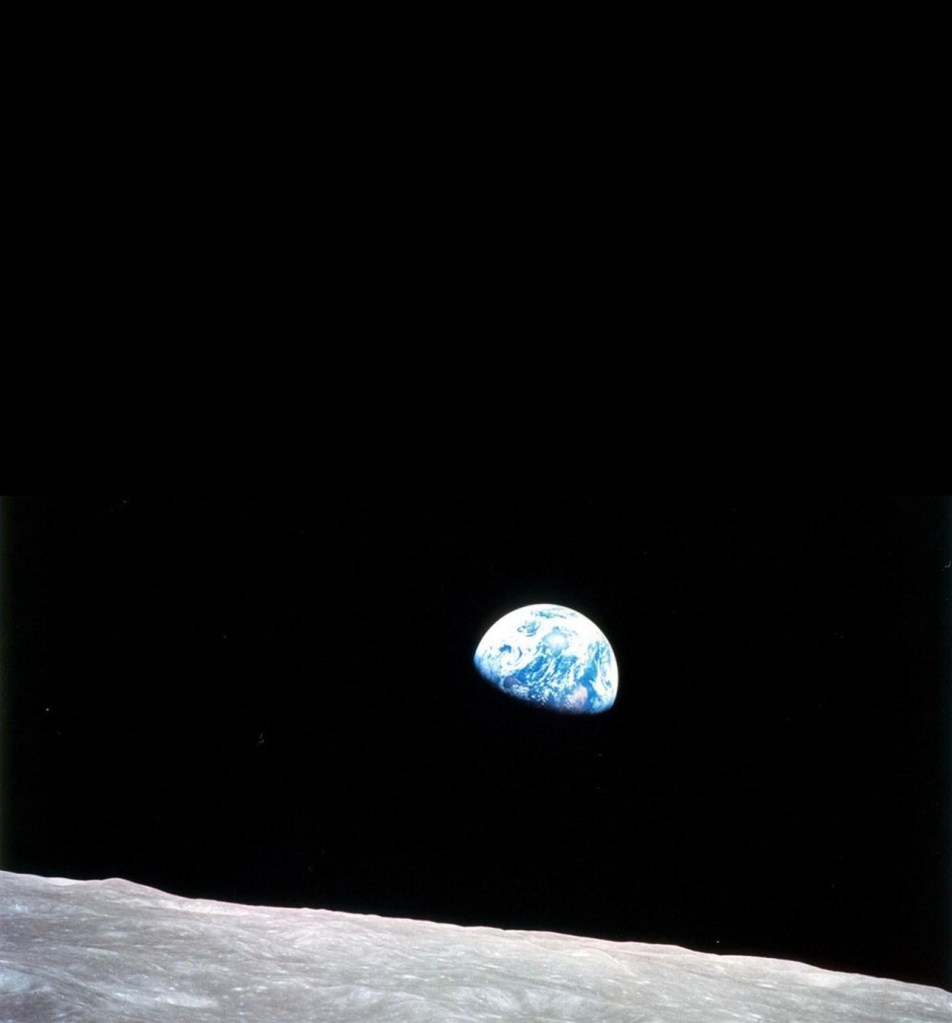
“We the People” is the beginning of a constitution. “We the Human Species” should be the beginning of our consciousness.


Leave a Reply